
Spices: The Heart of Indian Cooking and Culture Indian spices are famous everywhere. When you think about food you think about the nice smell, the deep flavor and the colorful dishes. Behind all this are the spices. Spices are what make Indian cooking special. They give food its taste, smell, color, warmth and character.
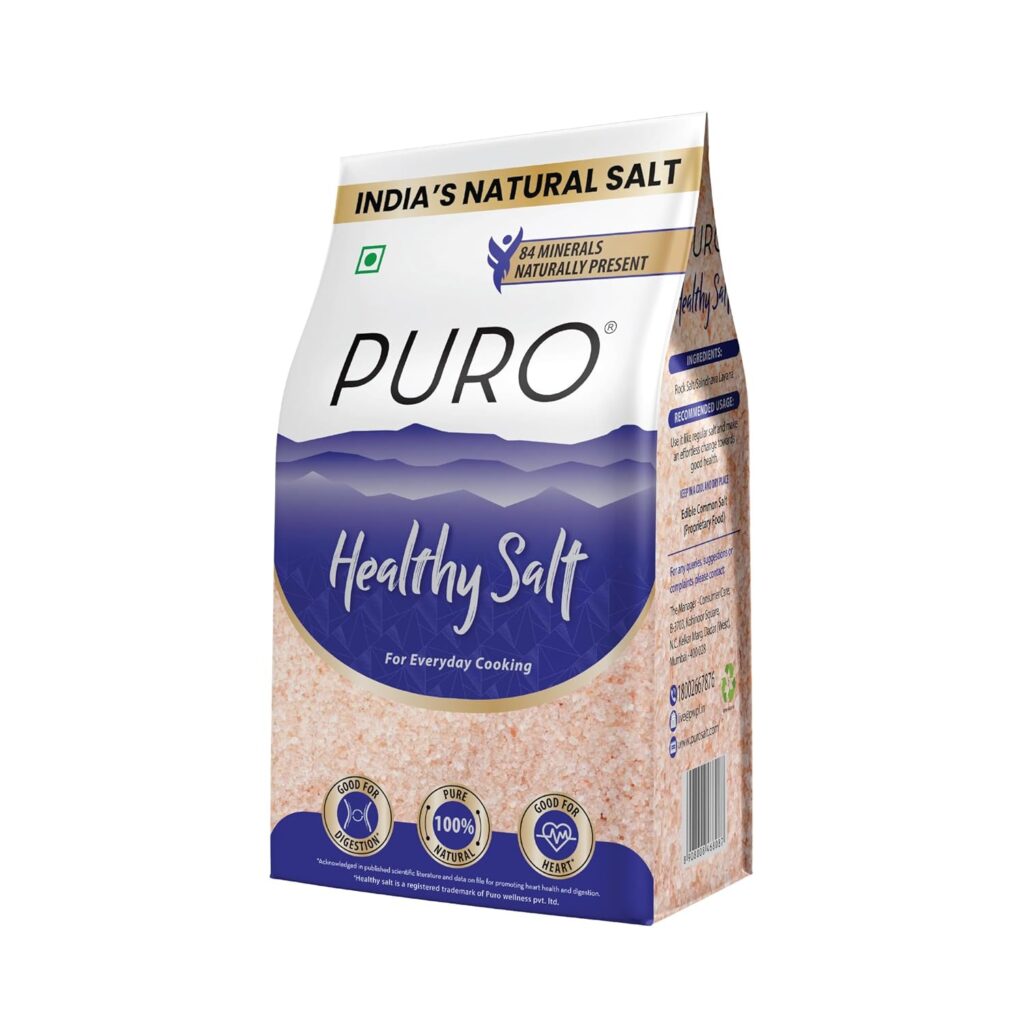
Spices are different from herbs. Herbs are usually dried leaves and have a mild flavor. Spices are stronger and more intense so they are used carefully. In small amounts.
A Long History of Indian Spices
spices have a history that goes back more than 5,000 years. Old Indian texts talk about spices being used for cooking, medicine and religious rituals. Spices were very valuable and precious. People from Rome, Arabia, China and Europe would travel a way to India to buy spices. Black pepper was called ” gold” because it was very expensive. Spices were used like money. Given as gifts to kings.
The spice trade helped connect India with the rest of the world. It changed the way people traded and even changed history. Many explorers came to India looking for spices. Thats how Indian spices became famous all over the world. Today Indian spices are sent to many countries and used in kitchens everywhere.
Why Indian Spices Are
Indian spices are special for many reasons. First India has different climates and types of soil which means many different spices can grow there. From places to cooler areas each region has its own unique spices. Second Indian cooking uses spices in a way. Spices are not just added randomly; each one has a purpose. Some spices make food hot some make it sweet some make it smell good and some help with digestion. Third Indian spices are connected to health. For a time people have used spices as natural remedies to keep their bodies strong and balanced. Finally Indian spices can be used in different ways. They can be roasted, fried, ground or mixed. The same spice can taste different depending on how its used.
Common Indian Spices and Their Uses
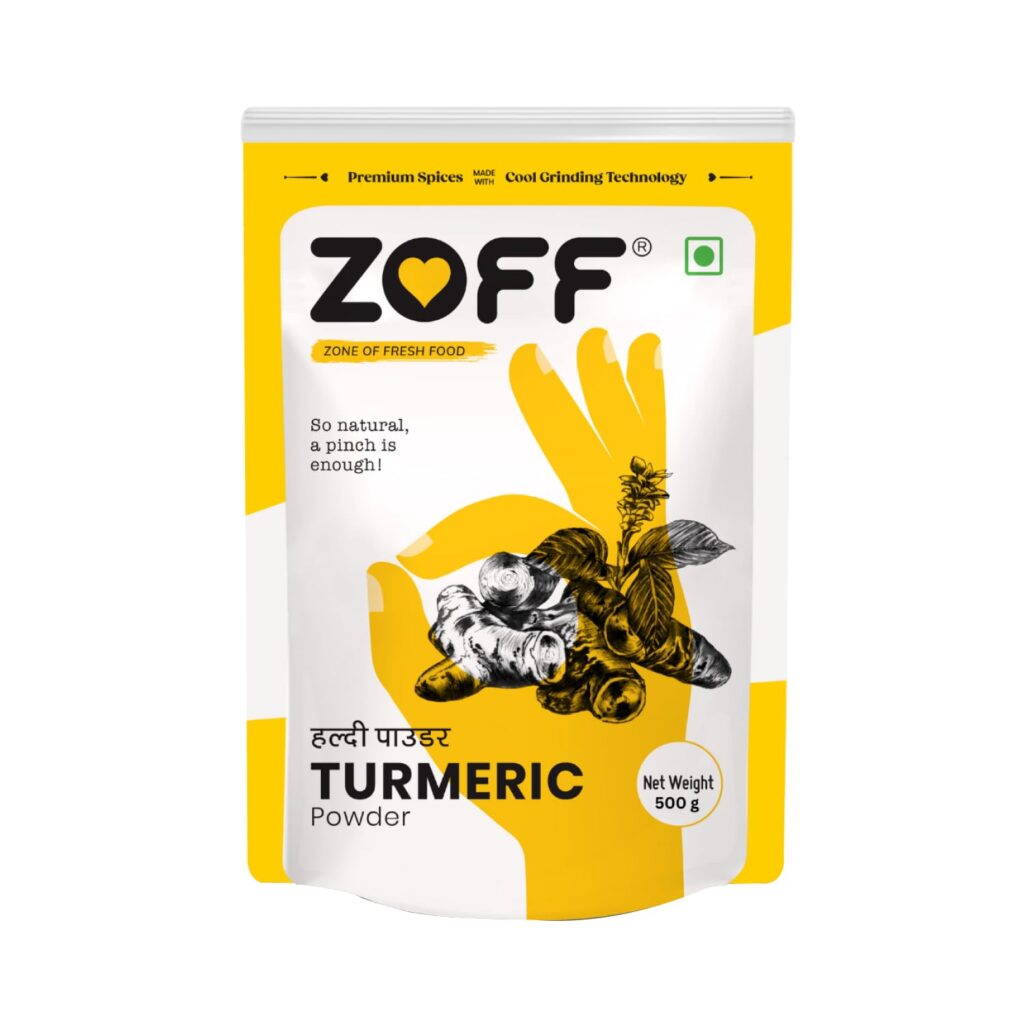
There are common Indian spices. Turmeric is one of the important spices in Indian cooking. It’s yellow. Has a mild earthy taste. Every Indian dish uses turmeric. It’s also good for you. Is used in home remedies and religious ceremonies. Cumin is another spice. It’s small and brown. Has a warm slightly bitter taste. Cumin is often fried in oil at the start of cooking to release its smell. Its used in rice, lentils, vegetables and snacks. Helps with digestion. Coriander seeds have a slightly sweet taste and balance strong flavors. Coriander powder is used in curries and fresh coriander leaves are used as a garnish. Red chili adds heat and color to food and can be used fresh, dried or as powder. Black pepper is sharp and spicy. Was the main source of heat before chili was introduced in India. Cloves are small and dark with a flavor and are used in rice dishes, gravies and spice blends. Cardamom comes in two types. Black. And is used in tea, desserts, rice and curries. Cinnamon comes from tree bark. Has a sweet woody flavor.
Spice Blends: The Heart of Indian Cooking
One thing about Indian cooking is the use of spice blends. Of using one spice many spices are mixed together. Garam masala is a blend of warming spices like cardamom, cloves, cinnamon and black pepper. Its usually added at the end of cooking to make the dish smell good. Each household has its garam masala recipe. There are also spice mixes, like sambar masala in South India chaat masala in street food and fish masala in coastal areas. These blends give each region its unique taste.
Spices and Health
Indian spices are not just used for taste; they also support health. They help with digestion boost immunity fight infections keep the body warm and support wellness. Spices work slowly and gently and when used daily in amounts they help the body over time.
Spices in Daily Life
Spices are used all day in homes. Turmeric is used in milk, cardamom in tea, cumin in lentils and pepper in soups. Spices also bring comfort. Remind people of home and family.
Spices and Culture
Spices are deeply connected to culture. Turmeric is used in weddings spices are used in rituals and special dishes are made during festivals. These traditions are passed down from one generation to the next.
Using Spices the Right Way:Spices: The Heart of Indian Cooking and Culture
Using spices correctly is important. You should heat oil before adding spices add powdered spices on low heat not burn spices use fresh spices and remember that timing is more important than quantity.
Storing Spices Properly
storage keeps spices fresh. You should store them in airtight containers keep them away from sunlight and moisture and grind them when needed. Fresh spices give taste and aroma.
Indian Spices in the Modern World: Spices: The Heart of Indian Cooking and Culture
Today Indian spices are used over the world. They’re found in restaurants, packaged foods and home kitchens. People are also becoming more interested in natural spices, which helps farmers and traditional farming methods.
Why Indian Spices Matter : Spices: The Heart of Indian Cooking and Culture
Indian spices show that small things can make a difference. A tiny pinch can change a dish. They connect food with health, tradition with life and the past with the present.
Indian spices are more than ingredients; they’re a living heritage. They bring flavor to food warmth to the body and comfort to the heart. From home meals to big celebrations spices are always present. Passed down through generations they carry stories, care and wisdom. Indian spices have earned their place in the world. Continue to shape kitchens, cultures and lives everywhere.
Spices, Seasons and Everyday Wisdom
Indian spices are closely connected to seasons and daily habits. For centuries people in India have adjusted their use of spices according to the weather, temperature and body needs. This seasonal wisdom is one of the reasons Indian food feels balanced and comforting.
In the summer people prefer lighter and cooling spices like coriander, fennel and cumin. These spices help keep the body cool and support digestion. Meals are kept simple, oily and mildly spiced. Drinks like spiced buttermilk or light teas help the body stay fresh in hot weather.
In the winter food becomes warmer and richer. Spices like pepper, cloves, cinnamon, dry ginger and cardamom are used more often. These spices help keep the body warm and active. Soups, stews and cooked dishes become more common. The warmth from spices helps fight weather and low energy.
During the season spices like asafoetida, cumin and ginger are used to keep the stomach healthy. Fried and heavy foods are. Simple meals with the right spices are preferred. This shows how spices are used not for taste but also, for care
Spices are really good at helping to reduce food waste. You can take leftover food. Make it into a brand new dish just by changing the spices you use. The same old rice or vegetables can taste completely new with a mix of spices. This is something that people in kitchens have been doing for a long time.
These days with fast food and packaged meals being so common Indian spices are a healthier choice. When you cook with spices you get to control what ingredients you use you can cut down on additives and you get to enjoy the natural flavors of the food. Even just cooking meals at home can be really nourishing and satisfying.
Indian spices also help out farmers and small producers. A lot of spices are grown in villages using methods. When you buy spices you are helping to keep these old farming practices alive and you are supporting people who live in rural areas. This connection between the food we eat and the people who grow it helps to keep the tradition of using spices
Spices also bring people together. When you cook with spices it is often something that you do with people. Family members can help with roasting the spices grinding them and tasting the food. These are the moments that help to build relationships and create memories that last. Even teaching a kid how to use spices is a way of passing on knowledge and culture.
As time goes on peoples tastes may change the tools we use may get more modern. Our lifestyles may get faster but spices remain the same. They can adapt to situations without losing what makes them special. They fit in as well in modern kitchens as they do in traditional ones.
In the end Indian spices represent a lot of values like patience, balance, care and continuity. They show us that even small things like spices can have an impact on our daily lives when we use them in a way that is meaningful. Indian spices continue to play a role, in shaping Indian cooking and culture and they do it in a quiet and steady way.
Spices: The Heart of Indian Cooking and Culture is not just a phrase, it is the true identity of Indian cuisine. Indian spices are famous all over the world for their rich aroma, deep flavors, and vibrant colors. Whenever people think about Indian food, they imagine delicious dishes filled with warmth and taste—and the real reason behind that is spices.
Spices: The Heart of Indian Cooking and Culture shows how these small ingredients have a big impact. They give food its unique taste, beautiful color, and irresistible smell. Without spices, Indian food would lose its soul.
In India, spices are not just used for cooking. They are deeply connected to daily life, traditions, health, and even emotions. From simple home meals to grand celebrations, spices are always present. This is why the idea of Spices: The Heart of Indian Cooking and Culture is true in every sense.
What Are Spices? Spices: The Heart of Indian Cooking and Culture
Spices are natural ingredients that come from different parts of plants such as seeds, roots, bark, flowers, and fruits. For example, cumin and coriander are seeds, turmeric and ginger are roots, cinnamon is bark, clove is a flower, and chili is a fruit.
They may be used whole or ground into powder. Even though spices are used in small quantities, they create a huge difference in taste and aroma. A small pinch can completely transform a dish.
This clearly supports the idea of Spices: The Heart of Indian Cooking and Culture, because even the smallest amount can define the entire flavor of a meal.
Spices are often confused with herbs, but they are different. Herbs usually come from leaves and have a milder taste, while spices are stronger and more powerful. That is why they must be used carefully.
A Rich History of Indian Spices Spices: The Heart of Indian Cooking and Culture
India has a long and fascinating history when it comes to spices. The use of spices in India goes back more than 5,000 years. Ancient texts mention spices being used in cooking, medicine, and religious rituals.
In the past, spices were extremely valuable. Traders from places like Rome, Arabia, and Europe traveled long distances just to buy Indian spices. Black pepper was even called “black gold” because of its high value.
The spice trade played a major role in connecting India with the rest of the world. Many explorers came to India searching for spices, which eventually changed global trade and history.
This long journey proves why Spices: The Heart of Indian Cooking and Culture is not just about food, but also about heritage and global influence.
Why Indian Spices Are So Special: Spices: The Heart of Indian Cooking and Culture
There are many reasons why Indian spices are unique.
First, India has a wide variety of climates and soil types, which allows different spices to grow in different regions. From hot tropical areas to cooler regions, every place produces something unique.
Second, Indian cooking uses spices in a very balanced and thoughtful way. Each spice has a purpose—some add heat, some add sweetness, some enhance aroma, and some help digestion.
Third, spices are closely linked to health. For centuries, people have used spices as natural remedies to maintain balance in the body.
All these reasons strongly support the idea of Spices: The Heart of Indian Cooking and Culture, as spices are used with both knowledge and care.
Common Indian Spices and Their Uses: Spices: The Heart of Indian Cooking and Culture
India is home to a wide variety of spices, each with its own flavor and purpose.
Turmeric is one of the most important spices. It has a bright yellow color and a mild earthy taste. It is used in almost every Indian dish and is also known for its health benefits.
Cumin is small and brown with a warm, slightly bitter flavor. It is often fried in oil at the beginning of cooking to release its aroma.
Coriander has a slightly sweet and fresh taste. Its seeds and powder are used in cooking, while fresh leaves are used as garnish.
Red chili adds heat and color to food. It can be used fresh, dried, or powdered.
Black pepper is sharp and spicy and was the main source of heat before chili became common.
Cloves, cardamom, and cinnamon are used to add warmth and fragrance to dishes.
These spices clearly show why Spices: The Heart of Indian Cooking and Culture is a perfect way to describe Indian food.
Spice Blends: The Real Magic,Spices: The Heart of Indian Cooking and Culture
One of the most interesting parts of Indian cooking is the use of spice blends. Instead of using just one spice, multiple spices are combined to create complex flavors.
Garam masala is one of the most popular spice blends. It includes spices like cardamom, cloves, cinnamon, and black pepper. It is usually added at the end of cooking for extra aroma.
Different regions in India have their own spice blends, such as sambar masala, chaat masala, and fish masala.
This blending of spices is a key reason behind Spices: The Heart of Indian Cooking and Culture, as it shows creativity and tradition working together.
Health Benefits of Spices:Spices: The Heart of Indian Cooking and Culture
Spices are not just about taste; they also provide many health benefits.
They help improve digestion, boost immunity, fight infections, and keep the body balanced. Ingredients like turmeric, ginger, and garlic are widely used in home remedies.
Spices work slowly and naturally. When used daily in the right amount, they support long-term health.
This connection between food and health is another reason why Spices: The Heart of Indian Cooking and Culture is so meaningful.
Spices in Daily Life:Spices: The Heart of Indian Cooking and Culture
In Indian homes, spices are used every day. From morning tea to dinner, spices are a part of every meal.
Cardamom is added to tea, cumin is used in lentils, turmeric is used in vegetables, and pepper is used in soups.
Spices also bring comfort and familiarity. The smell of certain spices can remind people of home and family.
This daily use reflects the essence of Spices: The Heart of Indian Cooking and Culture.
Spices and Indian Culture: Spices: The Heart of Indian Cooking and Culture
Spices are deeply connected to Indian traditions and rituals.
Turmeric is used in weddings, special spice-based dishes are prepared during festivals, and spices are often part of religious practices.
These traditions are passed down from one generation to another, keeping the culture alive.
This cultural importance makes Spices: The Heart of Indian Cooking and Culture more than just a concept—it becomes a way of life.
Using Spices the Right Way :Spices: The Heart of Indian Cooking and Culture
To get the best flavor, spices must be used correctly.
Oil should be heated before adding whole spices. Powdered spices should be added on low heat to avoid burning. Fresh spices should always be preferred.
Timing is very important. Adding spices at the right moment can make a big difference in taste.
Storing Spices Properly :Spices: The Heart of Indian Cooking and Culture
Proper storage helps maintain the freshness of spices.
They should be kept in airtight containers, away from sunlight and moisture. Grinding spices when needed helps preserve their aroma and flavor.
Fresh spices always give better results, which supports the idea of quality in Spices: The Heart of Indian Cooking and Culture.
Indian Spices in the Modern World: Spices: The Heart of Indian Cooking and Culture
Today, Indian spices are used all around the world. They are found in restaurants, packaged foods, and home kitchens.
Many people are now choosing natural spices over artificial flavors, which is increasing their popularity.
This global demand shows how Spices: The Heart of Indian Cooking and Culture has reached beyond borders.
Spices, Seasons, and Balance Spices: The Heart of Indian Cooking and Culture
Indian spices are also connected to seasons.
In summer, cooling spices like coriander and fennel are used. In winter, warming spices like cinnamon, cloves, and pepper are preferred.
During rainy seasons, spices that support digestion are used more.
This seasonal use shows the intelligence behind Spices: The Heart of Indian Cooking and Culture.
Conclusion
In the end, Spices: The Heart of Indian Cooking and Culture is a true reflection of Indian life. Spices are not just ingredients—they are a symbol of tradition, health, and connection.
They bring flavor to food, warmth to the body, and joy to the heart. From daily meals to special occasions, spices are always present.
As time changes, cooking styles may evolve, but spices remain constant. They continue to shape food, culture, and lives in a meaningful way.
That is why Spices: The Heart of Indian Cooking and Culture will always remain timeless.
