
3.Indian Spices: The Flavor, Tradition and Soul of Indian Food. When you think about food Indian spices always come to mind. Indian spices are really famous for their smell rich taste and deep colors. They can turn Indian Spices: The Flavor, Tradition and Soul of Indian Food things into delicious meals and give Indian cooking its own special identity. In India Indian spices are not just used to Indian Spices: The Flavor, Tradition and Soul of Indian Food make food taste good they are a part of life, culture and health.
From kitchens in villages to big restaurants Indian spices are used everywhere. They add warmth, balance and character to food. Indian spices have a history and are deeply connected to tradition. This blog will help youIndian Spices: The Flavor, Tradition and Soul of Indian FoodIndian Spices: The Flavor, Tradition and Soul of Indian FoodIndian Spices: The Flavor, Tradition and Soul of Indian FoodIndian Spices: The Flavor, Tradition and Soul of Indian FoodIndian Spices: The Flavor, Tradition and Soul of Indian FoodIndian Spices: The Flavor, Tradition and Soul of Indian FoodIndian Spices: The Flavor, Tradition and Soul of Indian FoodIndian Spices: The Flavor, Tradition and Soul of Indian FoodIndian Spices: The Flavor, Tradition and Soul of Indian FoodIndian Spices: The Flavor, Tradition and Soul of Indian FoodIndian Spices: The Flavor, Tradition and Soul of Indian FoodIndian Spices: The Flavor, Tradition and Soul of Indian FoodIndian Spices: The Flavor, Tradition and Soul of Indian FoodIndian Spices: The Flavor, Tradition and Soul of Indian FoodIndian Spices: The Flavor, Tradition and Soul of Indian FoodIndian Spices: The Flavor, Tradition and Soul of Indian FoodIndian Spices: The Flavor, Tradition and Soul of Indian FoodIndian Spices: The Flavor, Tradition and Soul of Indian FoodIndian Spices: The Flavor, Tradition and Soul of Indian FoodIndian Spices: The Flavor, Tradition and Soul of Indian FoodIndian Spices: The Flavor, Tradition and Soul of Indian FoodIndian Spices: The Flavor, Tradition and Soul of Indian FoodIndian Spices: The Flavor, Tradition and Soul of Indian FoodIndian Spices: The Flavor, Tradition and Soul of Indian FoodIndian Spices: The Flavor, Tradition and Soul of Indian FoodIndian Spices: The Flavor, Tradition and Soul of Indian FoodIndian Spices: The Flavor, Tradition and Soul of Indian FoodIndian Spices: The Flavor, Tradition and Soul of Indian FoodIndian Spices: The Flavor, Tradition and Soul of Indian FoodIndian Spices: The Flavor, Tradition and Soul of Indian FoodIndian Spices: The Flavor, Tradition and Soul of Indian FoodIndian Spices: The Flavor, Tradition and Soul of Indian FoodIndian Spices: The Flavor, Tradition and Soul of Indian FoodIndian Spices: The Flavor, Tradition and Soul of Indian FoodIndian Spices: The Flavor, Tradition and Soul of Indian Food understand spices in a simple way. What Indian spices are, why they are important and how they shape Indian cooking.
What Are Indian Spices?
Indian Spices | Best Ultimate Guide to Flavor, Health & Indian Cooking
Indian spices are things that come from plants. Different parts of plants are used as spices, such as seeds, roots, bark, fruits and flowers. These parts of plants are. Then used whole or ground into powder.
Indian spices are added to food in amounts but they have a powerful effect. They add taste, smell, color and warmth to dishes. Unlike herbs, which usually come from leaves and have a flavor Indian spices are stronger and more intense.
Even a little bit of spice can completely change a dish. This is why Indian spices are used carefully and with understanding in cooking.
A Brief History of Indian Spices
spices have been used for thousands of years. Old texts show that Indian spices were important not for cooking but also for medicine and religious rituals. In times Indian spices were very valuable and were traded like precious things.
Traders from countries traveled to India to find Indian spices. Black pepper was once called ” gold” because it was so valuable. The trade of spices helped connect India with the rest of the world and played a big role in world history.
Today Indian spices are sent to many countries and are used in kitchens all around the world.
Why Indian Spices Are So Special
Indian spices are special for reasons. First India has different kinds of climates and soil. This means that many different Indian spices can grow naturally in parts of the country.
Second Indian cooking uses spices in a balanced way. Indian spices are not used randomly. Each Indian spice has a purpose. Some add heat some add sweetness some help with digestion and some bring a smell.
Third Indian spices are closely linked to health. For generations people have trusted spices as natural support for the body. This deep connection between food and health makes Indian spices unique.
Common Indian Spices Used Every Day
Turmeric
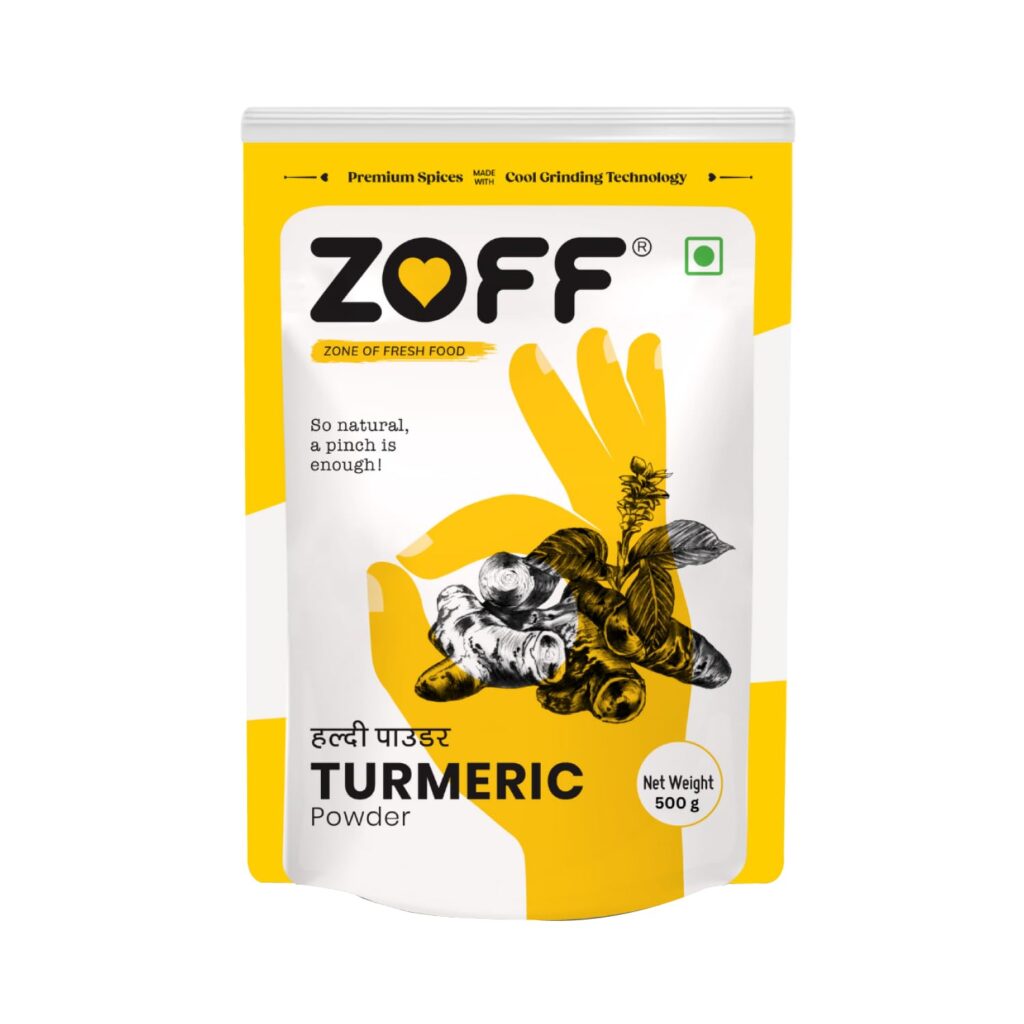
Turmeric is one of the important Indian spices in Indian kitchens. It has a yellow color and a mild earthy taste. Turmeric is used in vegetables, lentils, rice and curries.
It is also known for its health benefits. Is often used in home remedies, such as turmeric milk.
Cumin
Cumin seeds are small and brown with a slightly bitter taste. They are usually fried in oil at the start of cooking to release their smell.
Cumin helps with digestion. Is used in rice dishes, lentils, vegetables and snacks.
Coriander
Coriander seeds have an slightly sweet flavor. They balance Indian spices and make dishes taste smooth. Coriander powder is an ingredient in many curries.
Fresh coriander leaves are also used as a garnish to add freshness.
Red Chili
Red chili adds heat and color to food. It can be used fresh, dried or in powder form. Different regions use amounts of chili based on local taste.
The goal of chili is not to make food spicy but also to make the flavor better.
Black Pepper
Black pepper is sharp and spicy. Before chili became common in India black pepper was the source of heat in food.
It is also believed to help with colds and coughs.
Cardamom
Cardamom comes in two types: black. Green cardamom is sweet and aromatic while black cardamom is smoky and strong.
It is used in tea, desserts, rice dishes and curries.
Cloves and Cinnamon
Cloves are small and strong in flavor. Cinnamon comes from tree bark. Has a sweet woody taste. Both are used in rice, gravies and Indian spice blends to add warmth and depth.
Indian Spice Blends: The Heart of Indian Cooking
One thing about Indian cooking is the use of Indian spice blends. Of relying on one Indian spice Indian dishes often use a mix of Indian spices to create layers of flavor.
Garam Masala
Garam masala is an Indian spice blend made from warming Indian spices like cardamom, cloves, cinnamon and black pepper. It is usually added at the end of cooking to make the smell better.
Every household has its version of garam masala.
Regional Indian Spice Mixes
Different parts of India use Indian spice blends. For example:
Sambar masala in South India
Chaat masala in street food
Fish masala in areas
These blends give each region its own unique taste and identity.
Indian Spices and Health
Indian spices are not about taste. They also support health in ways.
They help with digestion
They boost immunity
They help fight infections
They keep the body warm
They support overall balance
Indian spices work slowly and gently. When used daily in amounts they support the body over time.
Indian Spices in Daily Life
spices are part of daily routines in Indian homes. From morning to night they are always present.
Turmeric in warm milk
Cardamom in tea
Cumin in lentils
Pepper in soups
The familiar smell of spices often brings comfort and reminds people of home and family.
Indian Spices and Indian Culture
Indian spices are deeply connected to culture and traditions. They are used in festivals, weddings and religious rituals.
Turmeric is used in wedding ceremonies. Special Indian spice dishes are prepared during festivals. These traditions are passed down from one generation to another.
Indian spices help keep culture alive through food.
How to Use Indian Spices Properly
Using spices correctly is important to get the best flavor.
Heat oil before adding whole Indian spices
Add Indian spices on low heat
Do not burn Indian spices
Use fresh Indian spices
Timing is more important than quantity.
How to Store Spices
Proper storage helps Indian spices stay fresh.
Store Indian spices in airtight containers
Keep them away from sunlight and moisture
Grind spices only when needed
Fresh Indian spices have a stronger smell and better taste.
Indian Spices in the Modern World
Today Indian spices are used over the world. They are found in restaurants, packaged foods and home kitchens globally.
People are also becoming more interested in natural Indian spices. This supports farmers. Helps preserve traditional farming methods.
In modern life Indian spices remain important and relevant.
Indian spices are the soul of cooking. They give food flavor, color, warmth and meaning. From home meals to grand celebrations Indian spices are always present.
They are not just ingredients. They are history, culture and tradition. Passed down through generations Indian spices carry care, wisdom and comfort.
Small in size but powerful, in impact Indian spices continue to shape food and lives around the world.
Indian Spices: The Ultimate Guide to Flavor, Tradition and Health
Indian spices are the heart and soul of Indian cooking. Whenever people think about food, Indian spices always come to mind because of their rich aroma, deep colors, and powerful flavors. These spices have the ability to turn simple ingredients into delicious meals and give Indian cuisine its unique identity.
In India, spices are not just used for taste—they are a part of life, culture, and health. From small village kitchens to big restaurants, Indian spices are used everywhere. They add warmth, balance, and character to food while also connecting people to tradition and heritage.
This complete guide will help you understand Indian spices in a simple and SEO-friendly way—what they are, why they are important, and how they shape Indian cooking.
What Are Indian Spices?
Indian spices are natural ingredients that come from different parts of plants such as seeds, roots, bark, fruits, and flowers. These parts are either used whole or ground into powder to enhance food.
Even though Indian spices are used in small amounts, they have a strong impact on dishes. They add:
- Flavor
- Aroma
- Color
- Warmth
Unlike herbs, which come from leaves and have a mild flavor, Indian spices are more intense and powerful. This is why they are used carefully and with proper knowledge.
A Brief History of Indian Spices
Indian spices have been used for thousands of years. Ancient texts show that spices were not only used in cooking but also in medicine and religious rituals.
In earlier times, Indian spices were extremely valuable. Traders from different countries traveled to India to buy spices. Black pepper was once known as “black gold” because of its high value.
The spice trade played a major role in connecting India with the rest of the world. Today, Indian spices are exported globally and are used in kitchens across many countries.
Why Indian Spices Are So Special
Indian spices are unique for several reasons:
1. Diverse Climate
India has different climates and soil types, allowing a wide variety of spices to grow naturally.
2. Balanced Use
Indian cooking uses spices in a balanced and thoughtful way. Each spice has a specific role—some add heat, some add sweetness, and others improve digestion.
3. Health Benefits
Indian spices are deeply connected to health. They have been used for generations as natural remedies for various health issues.
Common Indian Spices Used Every Day
Turmeric
Turmeric is one of the most important Indian spices. It has a bright yellow color and a mild earthy taste. It is widely used in curries, rice, and vegetables.
Turmeric is also known for boosting immunity and is commonly used in home remedies like turmeric milk.
Cumin
Cumin seeds are small and brown with a slightly bitter taste. They are often fried in oil at the beginning of cooking to release their aroma.
Cumin helps improve digestion and is used in lentils, rice, and snacks.
Coriander
Coriander seeds have a mild and slightly sweet flavor. Coriander powder is used in many Indian dishes to balance flavors.
Fresh coriander leaves are also used as a garnish.
Red Chili
Red chili adds heat and color to food. It can be used fresh, dried, or powdered. The level of spice varies depending on regional preferences.
Black Pepper
Black pepper is sharp and spicy. Before chili became popular, it was the main source of heat in Indian food.
Cardamom
Cardamom is aromatic and comes in two types—green and black. It is used in tea, desserts, and curries.
Cloves and Cinnamon
Cloves are strong and aromatic, while cinnamon has a sweet and woody flavor. Both are used in rice dishes and gravies.
Indian Spice Blends: The Heart of Indian Cooking
Indian cooking is known for its spice blends rather than single spices.
Garam Masala
Garam masala is a popular spice blend made from spices like cardamom, cloves, cinnamon, and black pepper. It is usually added at the end of cooking.
Regional Spice Mixes
Different regions of India use unique spice blends:
- Sambar masala (South India)
- Chaat masala (street food)
- Fish masala (coastal regions)
These blends give each region its unique taste.
Health Benefits of Indian Spices
Indian spices offer many health benefits:
- Improve digestion
- Boost immunity
- Fight infections
- Keep the body warm
- Support overall wellness
When used regularly in balanced amounts, Indian spices support long-term health naturally.
Indian Spices in Daily Life
Indian spices are a part of everyday life in India:
- Turmeric in milk
- Cardamom in tea
- Cumin in lentils
- Pepper in soups
The aroma of spices often brings comfort and reminds people of home and family.
Indian Spices and Culture
Indian spices are deeply connected to traditions and culture. They are used in:
- Festivals
- Weddings
- Religious rituals
For example, turmeric is used in wedding ceremonies, and special spice-based dishes are prepared during festivals.
How to Use Indian Spices Properly
To get the best flavor from Indian spices:
- Heat oil before adding whole spices
- Cook spices on low flame
- Avoid burning spices
- Use fresh spices
Proper timing is more important than quantity.
How to Store Indian Spices
Proper storage keeps spices fresh:
- Store in airtight containers
- Keep away from sunlight
- Avoid moisture
- Grind when needed
Fresh spices always provide better taste and aroma.
Indian Spices in the Modern World
Today, Indian spices are used all over the world. They are found in restaurants, packaged foods, and home kitchens globally.
People are now more interested in natural and organic spices, which supports farmers and traditional farming methods.
👉 For premium quality spices, you can explore our Astro Spices collection (add your internal link here)
Why Indian Spices Are the Soul of Cooking
Indian spices are more than just ingredients. They represent history, culture, and tradition. Passed down through generations, they carry knowledge, care, and love.
They transform simple food into something special and memorable.
Conclusion
Indian spices are the true essence of Indian cooking. They add flavor, color, aroma, and meaning to every dish. From everyday meals to grand celebrations, Indian spices are always present.
Small in size but powerful in impact, Indian spices continue to influence food and lifestyles around the world. Whether you are cooking at home or exploring new cuisines, Indian spices will always bring richness and depth to your meals.

Indian spices are the backbone of Indian cooking and one of the main reasons why Indian food is loved across the world. Known for their strong aroma, vibrant colors, and rich flavors, Indian spices can transform even simple ingredients into a delicious and satisfying meal.
In India, Indian spices are not just used for cooking—they are a part of daily life, tradition, and health. From small village kitchens to modern restaurants, Indian spices are used everywhere. They bring warmth, balance, and depth to food while also connecting people to culture and heritage.
🌿 What Are Indian Spices?
Indian spices are natural ingredients that come from different parts of plants such as seeds, roots, bark, fruits, and flowers. These spices are used either in whole form or ground into powder.
Even though Indian spices are used in small quantities, they have a powerful effect on food. They enhance:
- Taste
- Aroma
- Color
- Texture
Unlike herbs, Indian spices are stronger and more concentrated, which is why they must be used carefully.
📜 History of Indian Spices
Indian spices have a long and rich history. For thousands of years, they have been used in cooking, medicine, and religious rituals.
In ancient times, Indian spices were extremely valuable. Traders from around the world came to India in search of spices. Black pepper was once known as “black gold” because of its high demand.
Today, Indian spices are exported worldwide and are an important part of global cuisine.
⭐ Why Indian Spices Are So Special
Indian spices stand out because of:
1. Variety
India’s diverse climate allows many different spices to grow naturally.
2. Balanced Cooking
Indian spices are used in a balanced way. Each spice has a specific purpose.
3. Health Benefits
Indian spices are known for improving digestion, boosting immunity, and supporting overall health.
🌶️ Common Indian Spices Used Daily
Turmeric
A bright yellow spice known for its health benefits and earthy flavor.
Cumin
Adds a warm and slightly bitter taste, commonly used in tempering.
Coriander
Mild and slightly sweet, used in powder form in many dishes.
Red Chili
Adds heat and color to food.
Black Pepper
Sharp and spicy, once the main source of heat in Indian cooking.
Cardamom
Aromatic spice used in both sweet and savory dishes.
Cloves & Cinnamon
Used to add warmth, depth, and rich flavor to curries and rice dishes.
🧂 Indian Spice Blends
Indian cooking is famous for spice blends rather than single spices.
Garam Masala
A mix of spices like cardamom, cloves, cinnamon, and pepper, added at the end of cooking.
Regional Masalas
- Sambar masala
- Chaat masala
- Fish masala
These blends give each region its unique flavor.
💪 Health Benefits of Indian Spices
Indian spices are not just flavorful but also healthy:
- Improve digestion
- Boost immunity
- Fight infections
- Support metabolism
Using Indian spices daily in balanced amounts can improve overall health naturally.
🏠 Indian Spices in Daily Life
Indian spices are used in everyday cooking:
- Turmeric in milk
- Cardamom in tea
- Cumin in dal
- Pepper in soups
Their aroma creates a feeling of comfort and home.
🎉 Indian Spices and Culture
Indian spices are deeply connected to Indian traditions:
- Used in weddings and festivals
- Part of religious rituals
- Passed down through generations
They represent culture, tradition, and family values.
🍳 How to Use Indian Spices Properly
To get the best flavor:
- Heat oil before adding spices
- Cook on low flame
- Do not burn spices
- Use fresh spices
Timing is very important in Indian cooking.
📦 How to Store Indian Spices
Keep your spices fresh by:
- Storing in airtight containers
- Keeping away from sunlight
- Avoiding moisture
- Grinding when needed
🌍 Indian Spices in the Modern World
Today, Indian spices are used all around the world. They are found in restaurants, packaged foods, and home kitchens globally.
👉 For premium quality spices, check out our Astro Spices collection (yaha apna internal link add karo)
👉 You can also explore our latest spice products (second internal link)
❤️ Why Indian Spices Are the Soul of Cooking
Indian spices are more than just ingredients. They are a blend of flavor, tradition, and health. They turn simple meals into memorable experiences.
🏁 Conclusion
Indian spices are the true essence of Indian food. They add taste, color, aroma, and meaning to every dish. From everyday meals to special celebrations, Indian spices are always present.
Small in size but powerful in impact, Indian spices continue to shape food culture across the world.
